
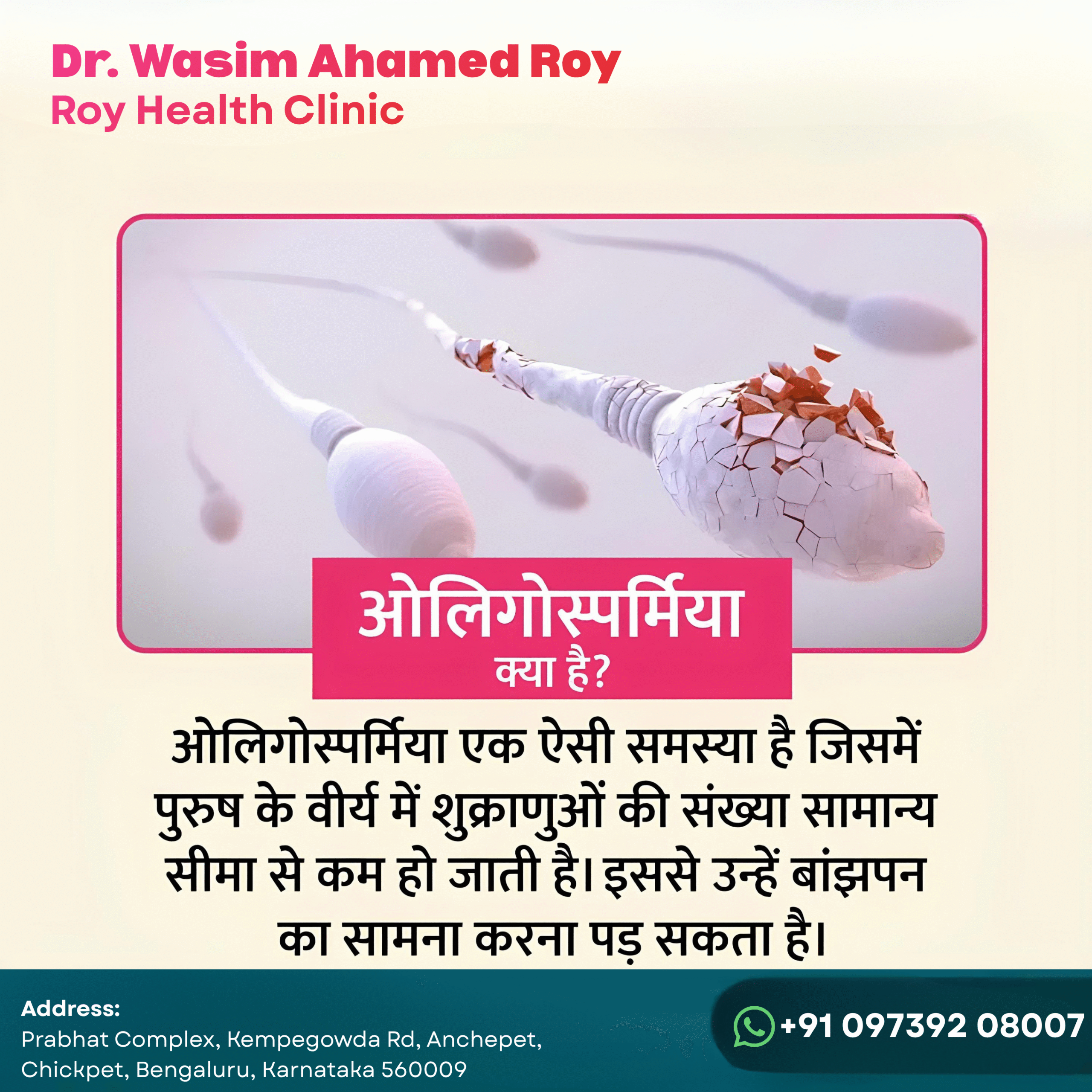
Male infertility is a growing concern today, and one of the major causes behind it is Oligospermia. It is a condition in which the sperm count in a man’s semen is lower than the normal range. Low sperm count can make it difficult for couples to conceive naturally, but with the right diagnosis and treatment, successful parenthood is absolutely possible.
In this blog, we will understand what Oligospermia is, its causes, symptoms, diagnosis, and treatment options.
What Is Oligospermia?
Oligospermia refers to low sperm count in a man’s semen.
According to WHO guidelines:
- Normal sperm count: 15 million sperm per milliliter or more
- Mild Oligospermia: 10–15 million/ml
- Moderate Oligospermia: 5–10 million/ml
- Severe Oligospermia: less than 5 million/ml
When sperm count reduces, it becomes harder for sperm to fertilize the female egg, leading to difficulties in achieving pregnancy.
Causes of Oligospermia
Several factors can reduce sperm count. Some of the common causes include:
1. Hormonal Imbalance
Low levels of testosterone or pituitary gland disorders can affect sperm production.
2. Varicocele
Swollen veins in the scrotum can reduce sperm quality and count.
3. Lifestyle Factors
- Excessive smoking
- Alcohol consumption
- Stress
- Obesity
- Poor diet
- Lack of sleep
4. Heat Exposure
Frequent use of hot baths, saunas, or tight undergarments may affect sperm count.
5. Medical Conditions
- Infections
- Testicular injuries
- Genetic disorders
- Diabetes
- Thyroid problems
6. Medications or Steroids
Certain medicines, steroids, or cancer treatments can hamper sperm production.
Symptoms of Oligospermia
Most men with low sperm count show no direct symptoms.
However, the following signs may appear:
- Difficulty in conceiving
- Sexual dysfunction
- Pain or swelling in testicular area
- Reduced facial or body hair
- Low libido
- Hormonal imbalance symptoms
Early diagnosis can help avoid long-term fertility issues.
How Is Oligospermia Diagnosed?
A doctor may suggest the following tests:
- Semen Analysis (primary test)
- Hormone tests
- Scrotal ultrasound
- Genetic tests
- Urine tests for infection
A semen analysis must usually be repeated twice for accurate results.
Treatment Options for Oligospermia
Depending on the cause, treatment may include:
1. Lifestyle Changes
- Healthy diet
- Weight loss
- Stress reduction
- Avoiding alcohol/smoking
2. Medications
Hormone therapy or medicines may help in improving sperm production.
3. Treating Varicocele
Varicocele surgery can significantly improve sperm count in many men.
4. Treating Infections
Antibiotics may be required if infection is present.
5. Assisted Reproductive Techniques (ART)
For very low sperm count, treatments like
- IUI (Intrauterine Insemination)
- IVF (In Vitro Fertilization)
- ICSI (Intracytoplasmic Sperm Injection)
may be extremely effective.
When to Consult a Doctor?
If you and your partner have been trying to conceive for over a year without success, or if you experience symptoms of low sperm count, you should consult a fertility specialist.
Consult Dr. Wasim Ahamed Roy – Roy Health Clinic
Roy Health Clinic offers expert evaluation and treatment for male infertility, including low sperm count, hormonal imbalance, and reproductive health issues.
Address:
Prabhat Complex, Kempegowda Rd, Anchepet,
Chickpet, Bengaluru, Karnataka 560009
Contact:
📞 +91 097392 08007
Final Words
Oligospermia is treatable, and many men with low sperm count become fathers with proper care. Early diagnosis and the right approach can significantly improve fertility outcomes.
